Types of Hearing Aids Explained – Which Hearing Aid Is Best for You?
Hearing loss affects millions of people around the world and can impact communication, confidence, and daily life. Fortunately, modern technology has made hearing aids smaller, more powerful, and more comfortable than ever before.
Choosing the right hearing aid can significantly improve hearing ability and overall quality of life. However, many people are unsure about the different types of hearing aids available and which option is best for their needs.
At Soundscape Audiology, patients receive professional hearing evaluations and guidance in choosing the most suitable hearing aid based on their hearing test results and lifestyle.
What Are Hearing Aids?
Alt text: audiologist explaining hearing aids
Hearing aids are small electronic devices designed to improve hearing by amplifying sounds. They help people with hearing loss hear speech, environmental sounds, and conversations more clearly.
A typical hearing aid consists of three main parts:
- Microphone – captures sound from the environment
- Amplifier – increases the strength of sound signals
- Speaker – delivers the amplified sound into the ear
Modern digital hearing aids can automatically adjust sound levels, reduce background noise, and improve speech clarity in different listening environments.
Why Hearing Aids Are Important
Alt text: person wearing hearing aid
Hearing aids do more than simply make sounds louder. They help individuals reconnect with their surroundings and improve communication with family, friends, and colleagues.
Some key benefits of hearing aids include:
✔ Improved communication
✔ Better understanding of speech
✔ Increased confidence in social situations
✔ Reduced listening effort
✔ Enhanced overall quality of life
Modern hearing aids also include advanced features such as Bluetooth connectivity and smartphone compatibility.
Types of Hearing Aids
There are several different styles of hearing aids designed to suit different levels of hearing loss and personal preferences.
Behind-The-Ear (BTE) Hearing Aids
Alt text: behind the ear hearing aid
Behind-The-Ear hearing aids are one of the most common types. These devices sit behind the ear and are connected to a small tube that directs sound into the ear canal.
Benefits of BTE Hearing Aids
- Suitable for mild to severe hearing loss
- Easy to handle and maintain
- Powerful sound amplification
- Durable and reliable
These hearing aids are commonly recommended for both adults and children.
Receiver-In-Canal (RIC) Hearing Aids
Alt text: receiver in canal hearing aid
Receiver-In-Canal hearing aids are smaller and more discreet than traditional BTE models. The receiver sits inside the ear canal while the main device rests behind the ear.
Benefits of RIC Hearing Aids
- More natural sound quality
- Lightweight and comfortable
- Less visible compared to larger devices
- Suitable for mild to moderate hearing loss
These hearing aids are popular because they provide excellent sound clarity.
In-The-Ear (ITE) Hearing Aids
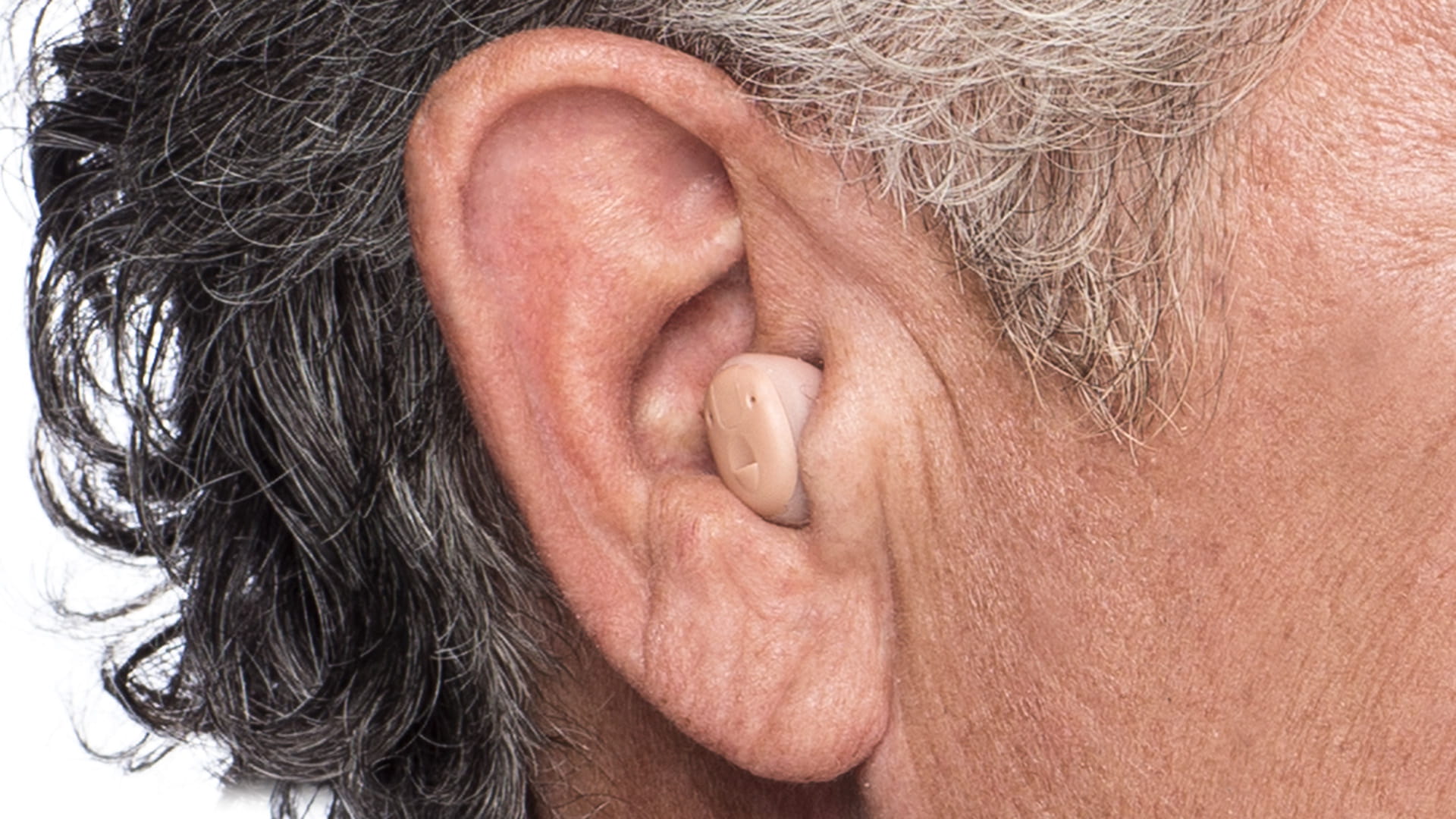
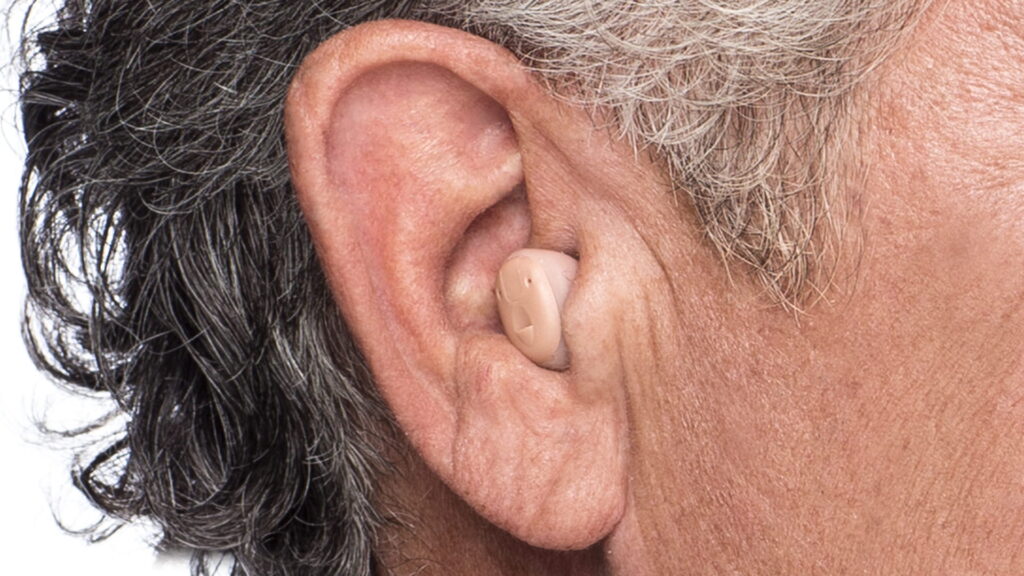
Alt text: in the ear hearing aid
In-The-Ear hearing aids are custom-made to fit the outer portion of the ear. They are slightly larger than canal hearing aids but provide convenient controls and easy handling.
Benefits of ITE Hearing Aids
- Custom fit for comfort
- Easy to insert and remove
- Suitable for moderate hearing loss
- Larger battery for longer usage
Completely-In-Canal (CIC) Hearing Aids
Alt text: completely in canal hearing aid
Completely-In-Canal hearing aids are very small devices that fit deep inside the ear canal. They are designed to be almost invisible when worn.
Benefits of CIC Hearing Aids
- Extremely discreet appearance
- Comfortable fit
- Reduced wind noise
- Natural sound experience
These devices are ideal for people who prefer a nearly invisible hearing solution.
Invisible-In-Canal (IIC) Hearing Aids
Alt text: invisible hearing aid device
Invisible-In-Canal hearing aids are the smallest hearing aids available. They sit deep inside the ear canal and are completely hidden from view.
Benefits of IIC Hearing Aids
- Completely invisible design
- Natural sound quality
- Comfortable and lightweight
- Suitable for mild hearing loss
These hearing aids are chosen by individuals who want the most discreet hearing device possible.
How to Choose the Right Hearing Aid
Choosing the right hearing aid depends on several factors including:
- Level of hearing loss
- Lifestyle and daily activities
- Comfort and fit
- Budget and technology features
A professional hearing test is the first step in determining the most suitable hearing aid.
Audiologists analyze hearing test results and recommend hearing aids that provide the best performance and comfort for each patient.
Professional Hearing Aid Services at Soundscape Audiology
At Soundscape Audiology, patients receive expert guidance in selecting and fitting modern digital hearing aids.
Services include:
✔ Professional hearing tests
✔ Hearing aid consultation
✔ Hearing aid fitting and programming
✔ Maintenance and adjustments
The goal is to provide personalized hearing solutions that improve hearing clarity and overall quality of life.
Conclusion
Hearing aids are powerful devices that can significantly improve hearing and communication. With modern technology, hearing aids are now smaller, smarter, and more comfortable than ever before.
If you or a loved one is experiencing hearing difficulties, a professional hearing test can help determine whether hearing aids are the right solution.
Book a Hearing Consultation
If you want to learn more about hearing aids or schedule a hearing test, visit Soundscape Audiology for professional hearing care and modern hearing solutions.
📍 Rawalpindi
📞 Contact us today to book an appointment.